Reviews
Love Crash: Block’s Triumphant Return from the Margins
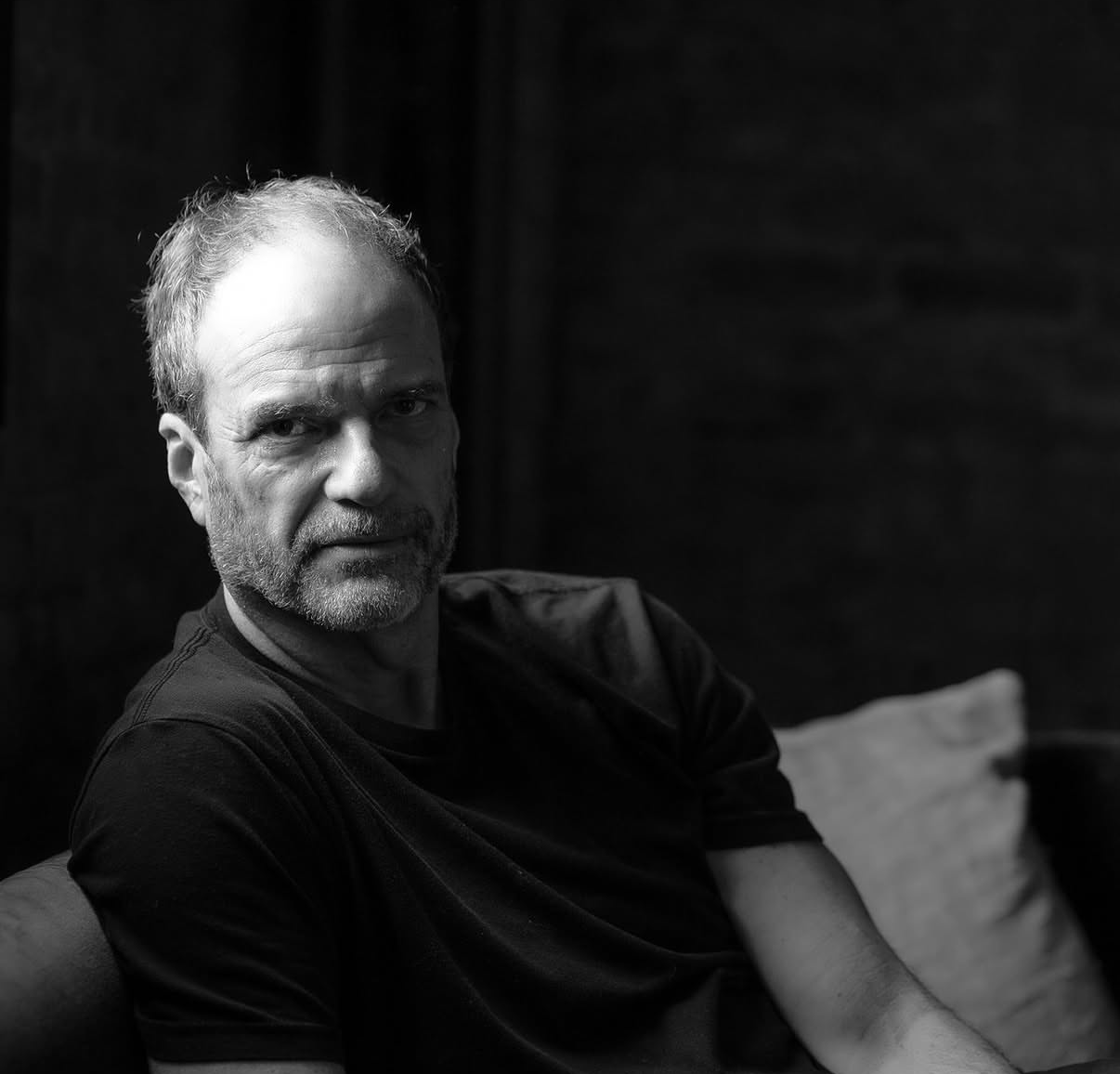
There is something profoundly disarming about an artist who disappears at the height of creative relevance, only to resurface over a decade later with work that sounds neither nostalgic nor desperate. Block , the Long Island-born, New York City-forged songwriter who helped ignite the anti-folk movement in the late 1990s, has done precisely that. His sixth studio album, Love Crash, arrives thirteen years after his last full-length release, and it carries the weight of lived experience without ever buckling under it.
The record’s ten tracks unfold like chapters in a confessional novel. Written in the aftermath of personal upheaval, the songs navigate heartbreak, loss, and the slow, unglamorous work of rebuilding a self. Yet Love Crash never wallows. There is a restless vitality running through these compositions, a refusal to let grief become the final word. Block has spoken openly about the album’s genesis: sleepless nights, a guitar within reach, and the gradual realization that each song was functioning as a rung on a ladder leading out of darkness. That metaphor holds. The album ascends.
The opening track, “I Thought I Won The War,” sets the tone with characteristic precision. Partially inspired by World War I documentaries, Block draws an unlikely but devastatingly effective parallel between the randomness of trench warfare and the emotional ambushes of a relationship’s collapse. The production, helmed by Chris Kuffner and polished by Blake Morgan, is roaringly dynamic: acoustic and electric guitars interlock with synth textures and warm basslines, while Block’s voice moves between sardonic detachment and raw vulnerability. It is a song about premature declarations of victory, about the hubris of believing one has emerged unscathed.
“California Calls” follows with a shift in geography and mood, suggesting the pull of reinvention that the West Coast has always represented for East Coast artists caught in cycles of self-destruction. “Over And Over” delivers the album’s most immediate rush of adrenaline, a track that balances infectious momentum with the kind of lyrical honesty that only comes from someone who has stopped performing invulnerability. The chorus lodges itself in the listener’s memory with an insistence that justifies the title.
Then comes “Firefly,” perhaps the album’s most quietly devastating moment. A spare, finger-picked folk piece stripped of the bigger sonics that typically characterize Block’s work, it was written as a tribute to his brother, lost eight years prior, and to all the people who burned bright and disappeared before their time. The simplicity of the arrangement is the point: nothing competes with the vocal and the message. Dave Franklin of The Big Takeover wrote that after his first listen, he had to step outside and sit in the garden to clear his head. That response feels entirely proportionate.
What makes Love Crash exceptional is not merely the quality of individual songs but the architecture of the whole. The sequencing traces an emotional arc that moves from shock through anger, through bargaining and grief, and arrives somewhere that resembles, if not peace, then at least a hard-won acceptance. “Song To Jamie” and “The Heartbreak Song” occupy the album’s interior with a directness that earlier-career Block might have deflected with irony. Here, the humor remains, but it serves the vulnerability rather than shielding from it.
The production deserves particular attention. Kuffner, whose work with Ingrid Michaelson and Regina Spektor demonstrates a facility for capturing intimate performances within expansive arrangements, finds the ideal sonic frame for Block’s songwriting. The record sounds warm without being soft, detailed without being fussy. Morgan’s mastering preserves the rough edges that have always given Block’s recordings their immediacy while clarifying textures that reward repeated listening. There is space in these mixes, room for the songs to breathe and for the listener to inhabit them.
To understand why Love Crash matters, one must understand what Block represents within the broader narrative of American independent music. In the mid-1990s, he was busking in subway stations and self-releasing Lead Me Not Into Penn Station, a record that Alternative Press praised for its “alchemy of melodious discord.” That album, with its collision of folk structures, hip-hop beats, and narrative-driven lyricism, helped define what anti-folk could be. Glen Ballard, fresh from producing Alanis Morissette’s Jagged Little Pill, chose Block as the first artist signed to his Capitol Records imprint Java. The major-label album, Timing Is Everything, earned critical acclaim and placed songs in films including Never Been Kissed. Then the industry machinery failed him, as it has failed so many artists whose work resists easy categorization.
Block’s subsequent retreat into Wall Street finance, his gradual return through smaller releases, and his eventual signing with Meridian in 2024 constitute one of indie music’s more improbable second acts. The four-part deluxe reissue of his catalog throughout 2025, remastered by Morgan, reintroduced his work to a streaming-era audience. A million streams across platforms, editorial placements on Apple Music’s “New In Alternative” and “New In Indie” playlists, and coverage from SPIN and Rolling Stone followed. The comeback was not manufactured; it was earned, album by remastered album, single by carefully released single.
Love Crash is the culmination of that reclamation. It sounds like an artist who has stopped trying to be anything other than himself, and who has discovered that the creative fire, far from extinguishing during thirteen years of relative silence, was merely waiting for the right conditions to reignite. In an era saturated with algorithmic releases and strategic vulnerability, Block offers something increasingly rare: music that exists because it needed to exist, written by someone for whom songwriting is not a career strategy but a survival mechanism.
The album closes with the same quality that defines its best moments: an unshakeable belief that making it through, however barely, is worth documenting. Block has described the experience as a once-in-a-lifetime convergence. The songs suggest he is right. Love Crash is not merely a comeback record. It is evidence that authenticity, given enough time and enough pain, will always find its way back to the surface.