Reviews
Dance Again: Patti Zlaket’s Luminous Return to the Recording Studio
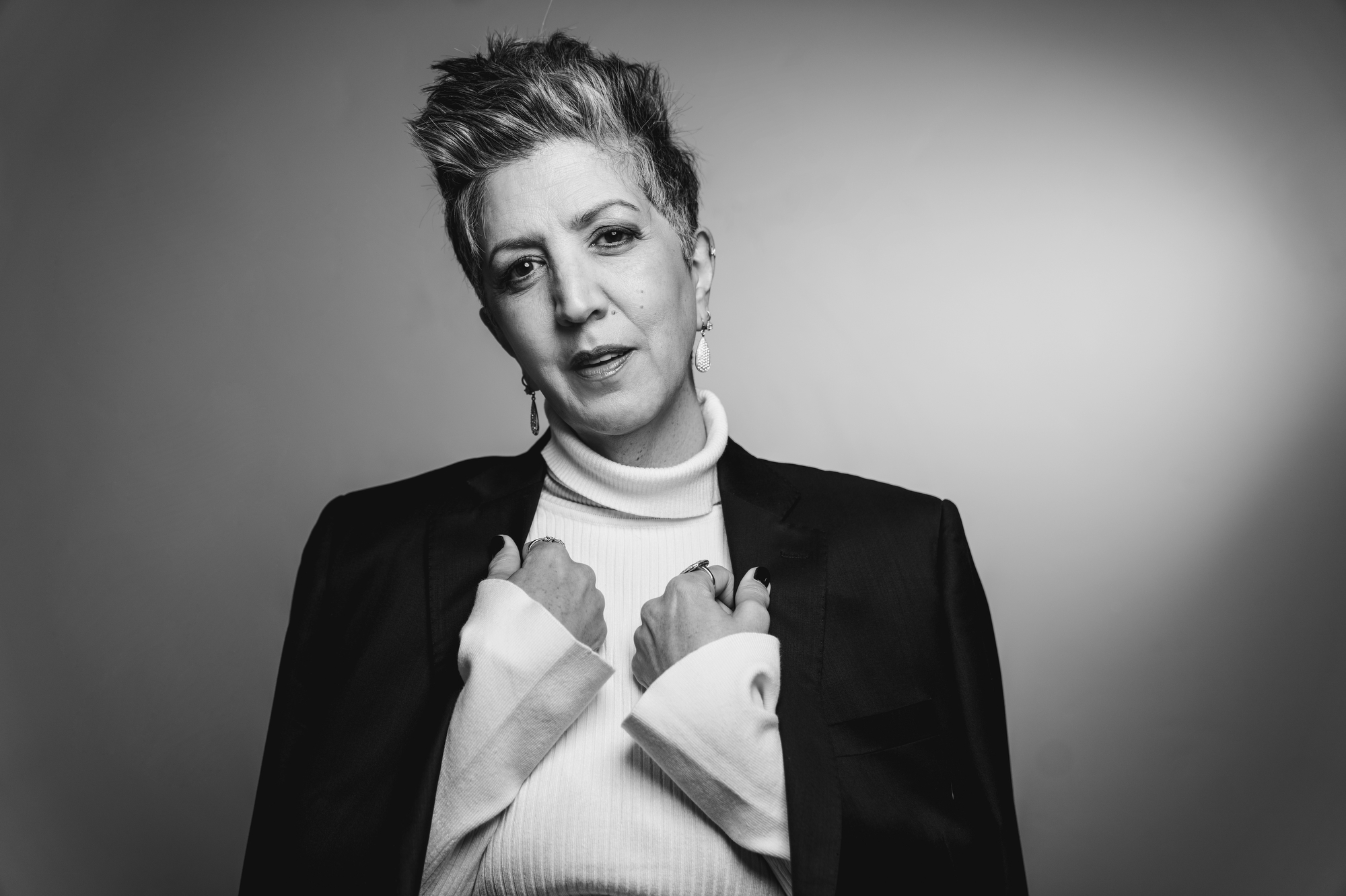
There exists a particular kind of courage required to return to the recording studio after two decades of silence. It is not merely the technical challenge of re-entering the creative process, nor the commercial uncertainty of re-introducing oneself to an audience that may have moved on to other voices, other sounds, other narratives. Rather, it is the existential risk of discovering whether the artistic vision that once animated your work still burns with the same intensity, whether the voice that once commanded attention has retained its power, whether the years of living have deepened or diminished the well from which creativity flows. Patti Zlaket has undertaken precisely this risk, and the result is Dance Again, an album that stands as testament not merely to artistic resilience but to the possibility of genuine artistic growth across the span of a lifetime.
The genesis of Dance Again is itself remarkable. Watching the documentary Immediate Family, which chronicles the legendary session musicians of The Section (Lee Sklar, Danny Kortchmar, Waddy Wachtel, Russ Kunkel), Zlaket experienced what she describes as an awakening. The film functioned as a mirror, reflecting not merely the soundtrack of her own life but the possibility that the break from recording need not be permanent. She reached out to Sklar, and in an act of extraordinary grace, he responded. What emerged from that connection was a year-long collaboration that would result in Dance Again, produced by Tariqh Akoni (whose credits include work with Christina Aguilera, Jennifer Lopez, and Weezer) and featuring an elite ensemble of session musicians anchored by Sklar’s legendary bass playing.
The album opens with Clock Keeps Tickin’, a composition that immediately announces Zlaket’s artistic intentions. The song functions as both greeting and manifesto, a statement that time has not diminished her vocal instrument but rather refined it. Her voice carries a warmth and maturity that can only come from decades of lived experience, a richness that transcends mere technical proficiency. The arrangement, built upon Sklar’s luminous bass work and supported by lush keyboard textures, creates an immediate sense of forward momentum. There is no hesitation here, no tentative re-entry into the recording process. Instead, there is the confidence of an artist who has earned the right to speak with authority about persistence and the necessity of continued motion through life.
Let’s Move On addresses the weight of the past with a sophistication that speaks to Zlaket’s artistic maturity. The song does not offer easy comfort or simple resolution. Rather, it acknowledges that releasing the past requires genuine effort, that moving forward is an active choice rather than a passive drift. The arrangement balances warmth with precision, creating a space where Zlaket’s vocal performance can explore the emotional complexity of the lyrical content. The interplay between the rhythm section and the melodic elements creates a sense of gentle propulsion, as though the music itself is encouraging the listener toward acceptance and renewal.
Someone to Lay Down Beside Me represents a shift in emotional register, a meditation on the comfort that emerges from meaningful human connection. The arrangement here is notably restrained, allowing space for Zlaket’s voice to occupy the foreground. The ethereal keyboard textures create an atmosphere of intimacy, while the brass section, when it enters, provides a counterpoint that prevents the song from descending into sentimentality. This is sophisticated pop songwriting, the kind that understands that genuine emotion requires structural discipline to avoid becoming maudlin or overwrought.
Dance Again, the album’s title track, functions as both artistic statement and thematic anchor. The song embraces the possibility of rebirth, of beginning again despite the accumulated weight of years and experience. Zlaket’s vocal performance here is particularly striking, moving through registers and emotional registers with a fluidity that speaks to her technical mastery. The arrangement, built upon groovy rhythm patterns and sophisticated chord progressions, creates a sound that feels both contemporary and timeless. There is a sense of joy here, but it is a joy that has been earned through struggle and perseverance.
Love Is For You, featuring Robbie Wyckoff, functions as a statement about self-worth and openness to connection. The song carries the unmistakable sonic markers of 1990s pop-rock production, yet it does not feel dated or nostalgic. Rather, it feels like a deliberate aesthetic choice, a recognition that certain sonic textures carry emotional weight that transcends their historical moment. Wyckoff’s guest vocal appearance adds a layer of complexity to the emotional landscape, creating a dialogue between two voices that speak to the possibility of mutual recognition and acceptance.
Second Chance at Love expands the concept of romance to encompass a larger message of hope and renewal. The song features a Motown-influenced chorus that creates a dynamic shift, moving from the verses’ pop-rock sensibility into something more soulful and rhythmically complex. The brass section here is particularly effective, providing punch and clarity without overwhelming the vocal performance. This is an album that understands the importance of arrangement, that recognizes how instrumental choices can either support or undermine the emotional content of a song.
I’v Got You celebrates the power of friendship and community, the networks of support that sustain us through difficult periods. The song demonstrates Zlaket’s ability to balance confidence with vulnerability, to acknowledge both the strength that comes from internal resources and the necessity of external support. The arrangement here is particularly effective, creating a sense of warmth and inclusivity that mirrors the song’s thematic content.
The album closes with This Is Me, a powerful statement about self-acceptance and authenticity. The song functions as both personal affirmation and artistic statement, a declaration that Zlaket has earned the right to occupy space in the contemporary musical landscape. The arrangement is notably restrained, allowing the vocal performance to carry the emotional weight. There is a sense of hard-won wisdom here, a recognition that true confidence emerges not from external validation but from internal alignment between one’s artistic vision and one’s lived experience.
What is most striking about Dance Again is its refusal to apologize for its own existence. This is not an album that seeks permission to re-enter the recording studio. Rather, it is an album that announces its presence with confidence and clarity. Zlaket’s voice, now enriched by decades of living, carries a weight and authority that younger voices simply cannot achieve. The album’s production, handled with sophistication and restraint by Tariqh Akoni, creates a sonic landscape that feels both contemporary and timeless. The session musicians, anchored by Lee Sklar’s legendary bass playing, provide a foundation of musicianship that elevates every composition.
Dance Again stands as a powerful reminder that artistic careers need not follow linear trajectories, that breaks from creative work need not be permanent, and that genuine artistic growth is possible across the span of a lifetime. Patti Zlaket has created an album that honors her past while embracing her present, that celebrates resilience without demanding sympathy, and that speaks to the possibility of renewal and rebirth. In an era when so much popular music is created by artists still in their twenties or thirties, Dance Again stands as a testament to the particular wisdom and authority that only comes from sustained engagement with the creative process across decades. This is an album that rewards repeated listening, that reveals new layers and nuances with each encounter, and that stands as a significant artistic achievement in Zlaket’s already remarkable career.