Reviews
Shame: Tallulah Rendall’s Unflinching Examination of Vulnerability and Self-Worth
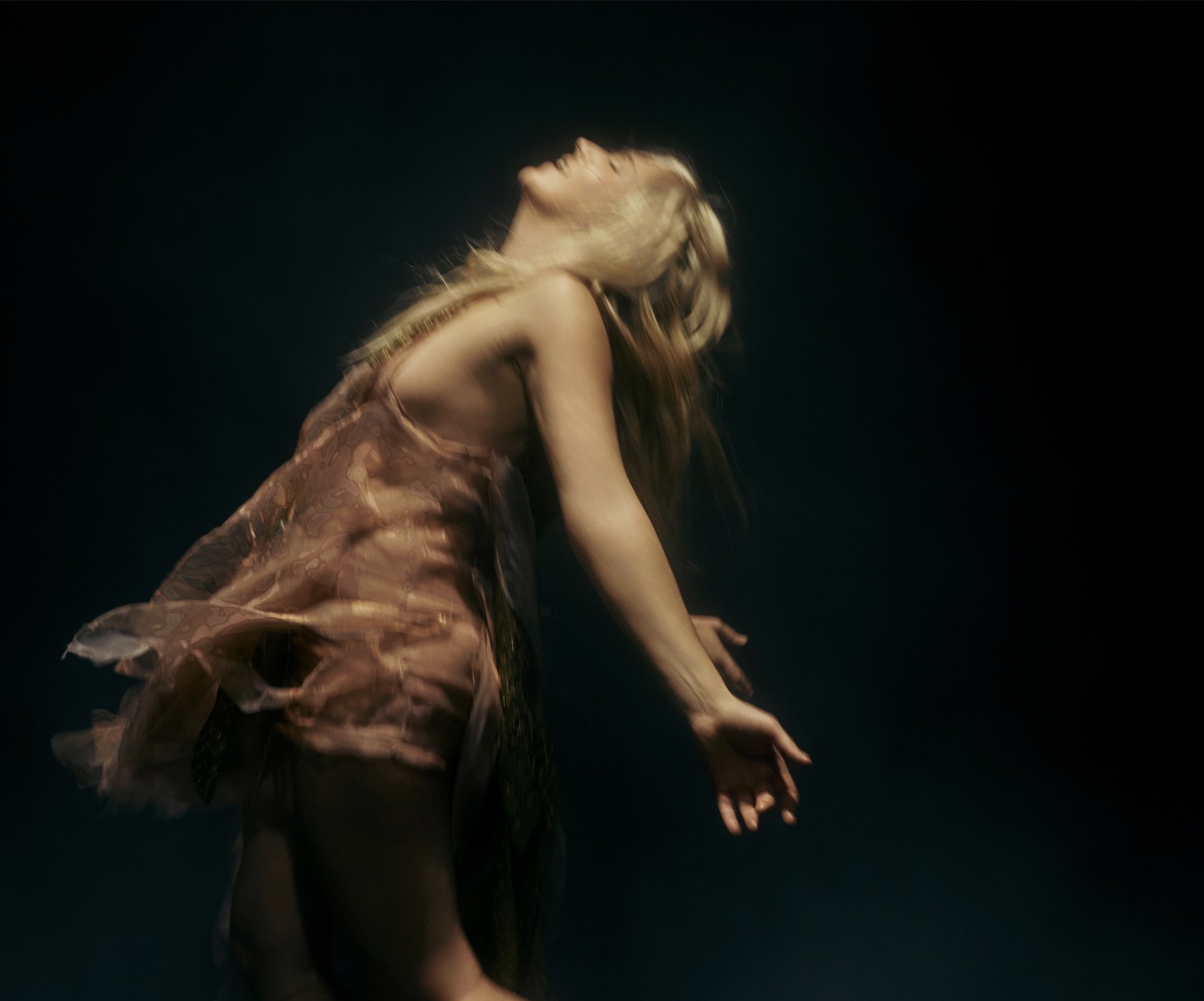
There exists within the artistic practice of Tallulah Rendall a particular kind of courage that manifests not through bombast or aggressive assertion but rather through an unflinching willingness to inhabit emotional spaces that most artists prefer to avoid. Her forthcoming seventh album, Only Human, represents the culmination of two decades of artistic development, a journey that has moved from the purely musical into the realm of holistic practice, integrating sound therapy, Qigong teaching, and creative facilitation into a comprehensive artistic vision. Within this context, the single Shame emerges as a particularly significant artistic statement, one that demands careful examination and thoughtful consideration.
The album Only Human, of which Shame is a central component, represents Rendall’s most personal and introspective work to date. The album’s thematic arc moves deliberately from fear to courage, from disconnection to belonging, from silence to voice. This is not a simple narrative of triumph or resolution but rather a complex exploration of the emotional landscape that emerges when an individual commits to genuine self-examination and authentic self-expression. Shame, as a particular emotional state, occupies a crucial position within this larger narrative, representing one of the most difficult emotional territories that an artist can choose to explore.
The production of Shame reflects a sophisticated understanding of how to reinforce and amplify emotional content. Produced by Tallulah Rendall and Rowland O’Connor, the track benefits from the collaborative input of a carefully assembled ensemble of musicians. Sam Walker’s drum production provides rhythmic grounding, while O’Connor’s contributions on bass, piano, and guitar create layers of harmonic complexity. David Curtis’s double bass and Ben Roberts’s cello add classical sophistication, creating a landscape that feels both intimate and expansive. The recording at Sorting Room Studios in Devon, followed by mixing and additional production by Tommy Williams and mastering by Pete Maher, demonstrates a commitment to sonic excellence and careful attention to detail.
It is, however, Rendall’s vocal performance that serves as the true center of the work. Her voice possesses a particular quality that resists easy categorization: simultaneously commanding and vulnerable, expressive and restrained, emotionally transformative yet never manipulative. In approaching the subject of shame, Rendall’s vocal delivery demonstrates a particular kind of artistic maturity, a refusal to either minimize or exaggerate the emotional content. The listener is invited into an intimate space where shame can be examined not as a source of paralysis but as an emotional state worthy of serious artistic attention.
Lyrically, Shame operates as a meditation on the particular kind of self-consciousness and self-doubt that emerges when an individual internalizes external judgment or fails to meet internalized standards of perfection. The song refuses to offer simple solutions or false reassurance. Rather, it acknowledges the complexity of shame as an emotional state, the way that shame can function as both a regulatory mechanism and a source of profound suffering. The track explores the possibility of moving beyond shame through the cultivation of self-compassion and the recognition of shared human vulnerability.
The thematic content of Shame resonates with the broader conceptual framework of the Only Human album. Rendall has described the album as exploring shame, resilience, anxiety, self-worth, and belonging. These are not abstract philosophical concepts but rather lived emotional experiences that resonate across human communities. The album functions as what Rendall describes as “more than an album” but rather “an immersive companion” exploring these fundamental aspects of human experience. In this context, Shame serves as a crucial waypoint in the listener’s journey through the album’s emotional landscape.
What is particularly striking about Rendall’s approach to shame is her refusal to pathologize or stigmatize the emotion. Instead, she treats shame as a legitimate subject for serious artistic exploration, worthy of the same kind of careful attention and nuanced treatment that artists typically reserve for more conventionally “beautiful” or “uplifting” emotional states. This represents a significant artistic statement about the validity of difficult emotions and the importance of creating space within artistic practice for the full spectrum of human emotional experience.
The broader context of Rendall’s artistic practice adds additional resonance to Shame. Her work as a sound therapist and Qigong teaching reflects an understanding of music and artistic practice as having therapeutic and transformative potential. This is not music designed to escape from difficult emotions but rather music designed to create space for genuine engagement with emotional complexity. The integration of these practices into her artistic identity suggests an artist who understands the profound interconnection between artistic expression, emotional processing, and personal transformation.